
How to Safely Trim Your Dog's Nails

Image by Winsker from Pixabay


How to Safely Trim Your Dog's Nails

Introduction

Trimming your dog's nails is an important part of their grooming routine. It can be a bit intimidating at first, but with the right tools and techniques, you can safely trim your dog's nails at home.


Gather Your Supplies

Before you start, make sure you have all the necessary supplies. You will need a pair of dog nail clippers, styptic powder (to stop bleeding in case you accidentally cut the quick), and some treats to reward your pup.
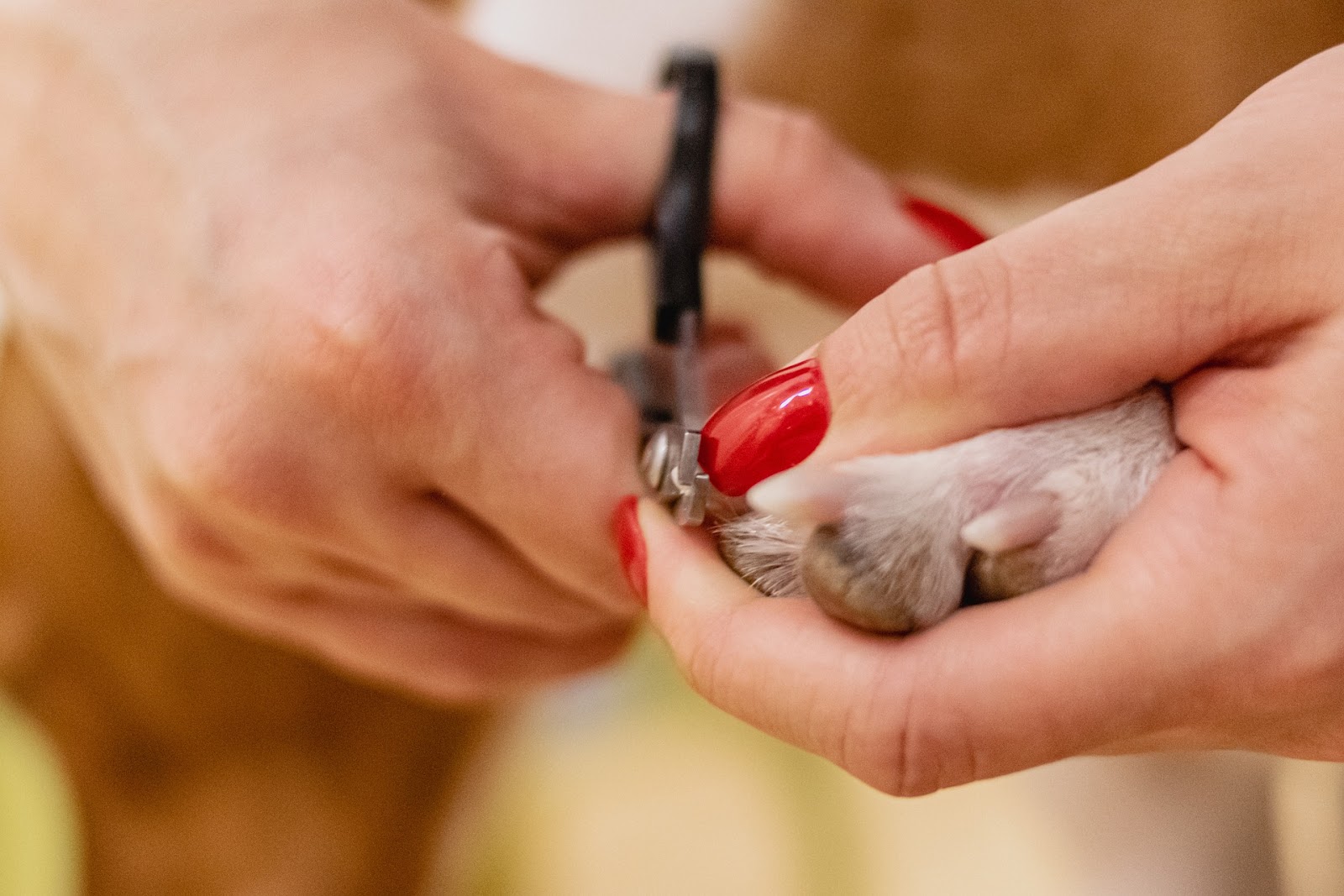

Image by Aleksandr Tarlõkov from Pixabay


Find the Quick

The quick is the pink part inside your dog's nail that contains blood vessels and nerves. It's important to avoid cutting the quick, as it can be painful and cause bleeding. If your dog has clear nails, you can easily see the quick. If your dog has dark nails, you may need to shine a light underneath to locate it.
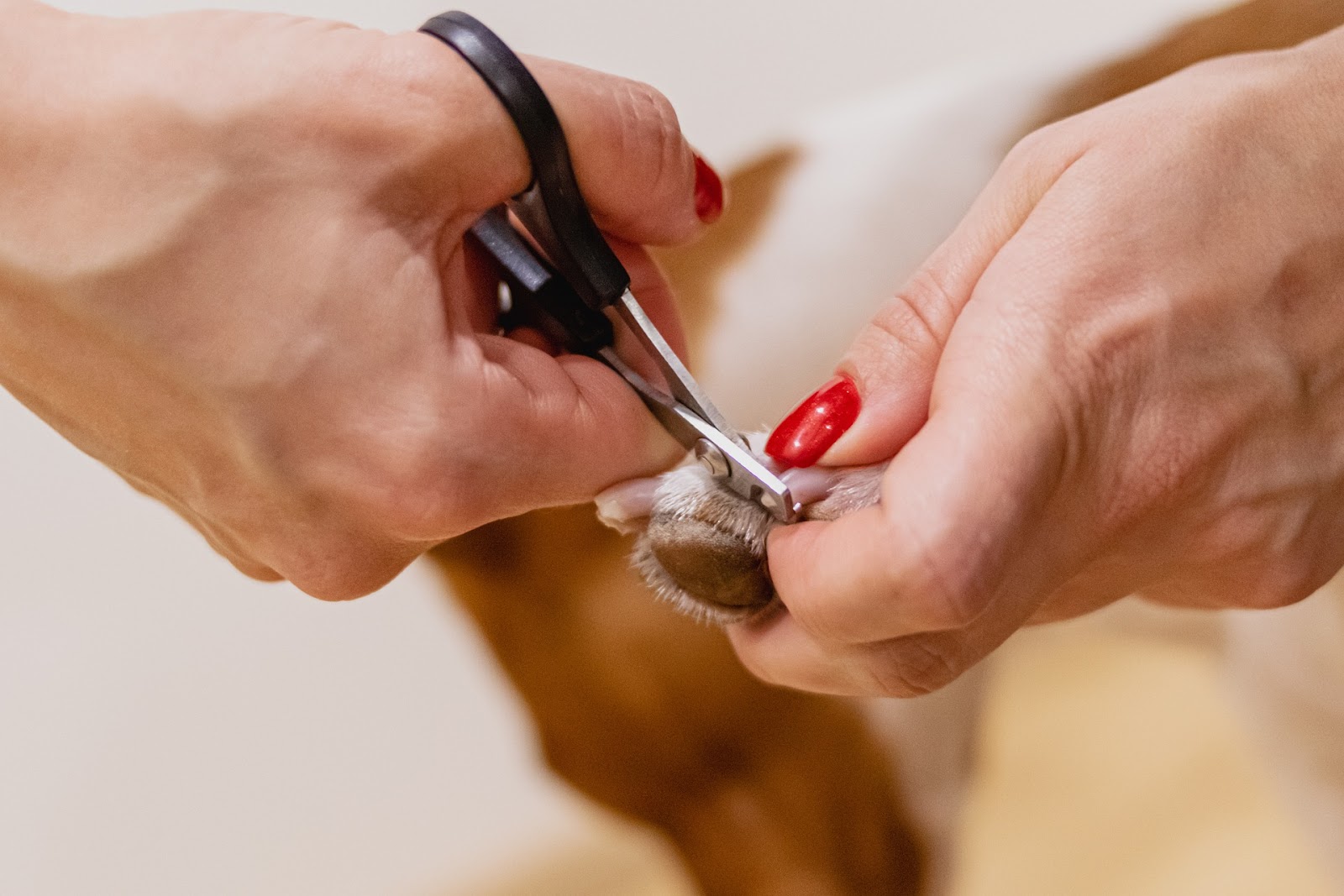

Image by Aleksandr Tarlõkov from Pixabay


Trimming the Nails

Hold your dog's paw firmly but gently, and trim a small amount of the nail at a time. Make sure to avoid cutting too close to the quick. If you accidentally cut the quick and it starts bleeding, apply styptic powder to stop the bleeding.


Image by Peggy und Marco Lachmann-Anke from Pixabay


Reward Your Pup

After you've finished trimming all of your dog's nails, make sure to reward them with treats and praise. This will help make the experience more positive for your pup.

Conclusion

Trimming your dog's nails doesn't have to be a stressful experience. With the right tools and techniques, you can safely trim your dog's nails at home and keep them happy and healthy.



© 2025 finickyfelinesandsmoochinpooches.blogspot.com


Popular posts from this blog

Dealing with Ear Mites in Your Pet

Image by Gisela Merkuur from Pixabay Dealing with Ear Mites in Your Pet What are Ear Mites? Hey there! So, you might have noticed your pet scratching their ears a lot lately. Well, they could have ear mites! Ear mites are tiny bugs that like to hang out in your pet's ears and cause a lot of itching and discomfort. How to Tell if Your Pet has Ear Mites If your pet is constantly scratching their ears, shaking their head, or if you see dark, crumbly stuff in their ears, they might have ear mites. It's important to take them to the vet to get checked out. Treating Ear Mites Medication Don't worry, ear mites are treatable! Your vet can give you special medication to help get rid of the mites. Make sure to follow the vet's instructions carefully to make sure your pet gets better. Cleaning You might also need to clean your pet's ears to help get rid of the mites. Your vet can show you how to do this safely without hurting your pet. Preventing Ear Mites To prevent ear mite...

Tips for Bathing Your Pup

Image by oritslama from Pixabay Tips for Bathing Your Pup Getting Ready Before you start giving your dog a bath, make sure you have everything you need. This includes dog shampoo, towels, a brush, and treats to reward your pup for being a good boy or girl. Choosing the Right Shampoo Not all shampoos are created equal! Make sure to use a shampoo specifically made for dogs. Human shampoo can be too harsh for your furry friend's skin. Getting Wet When it's time to get your dog wet, use lukewarm water. Make sure to wet your pup's fur thoroughly before applying shampoo. Be gentle and make sure to avoid getting water in their ears and eyes. Scrub-a-Dub-Dub Once your dog is all wet, it's time to lather up that shampoo! Gently massage the shampoo into their fur, making sure to get all those hard-to-reach spots. Don't forget to rinse thoroughly to avoid any leftover soap residue. Drying Off After the bath is done, it's time to dry off your dog. Use a towel to gently pat...

Keeping Your Kitty Healthy: How to Get Rid of Worms in Cats

Image by Fabio from Pixabay Keeping Your Kitty Healthy: How to Get Rid of Worms in Cats Why Deworming is Important Hey there, cat lovers! If you want to keep your furry friend healthy and happy, it's important to make sure they are free of worms. Worms can make your cat sick and uncomfortable, so it's essential to deworm them regularly. Types of Worms in Cats Roundworms Roundworms are one of the most common types of worms found in cats. They can be easily transmitted through infected soil or prey, and can cause symptoms like vomiting and diarrhea. Tapeworms Tapeworms are another common type of worm that can infect cats. They are usually transmitted through fleas or by ingesting infected rodents. You may notice your cat scooting their bottom on the floor or see small rice-like segments in their fur or bedding. How to Deworm Your Cat There are several ways to deworm your cat, including using over-the-counter deworming medications or taking them to the vet for a professional trea...